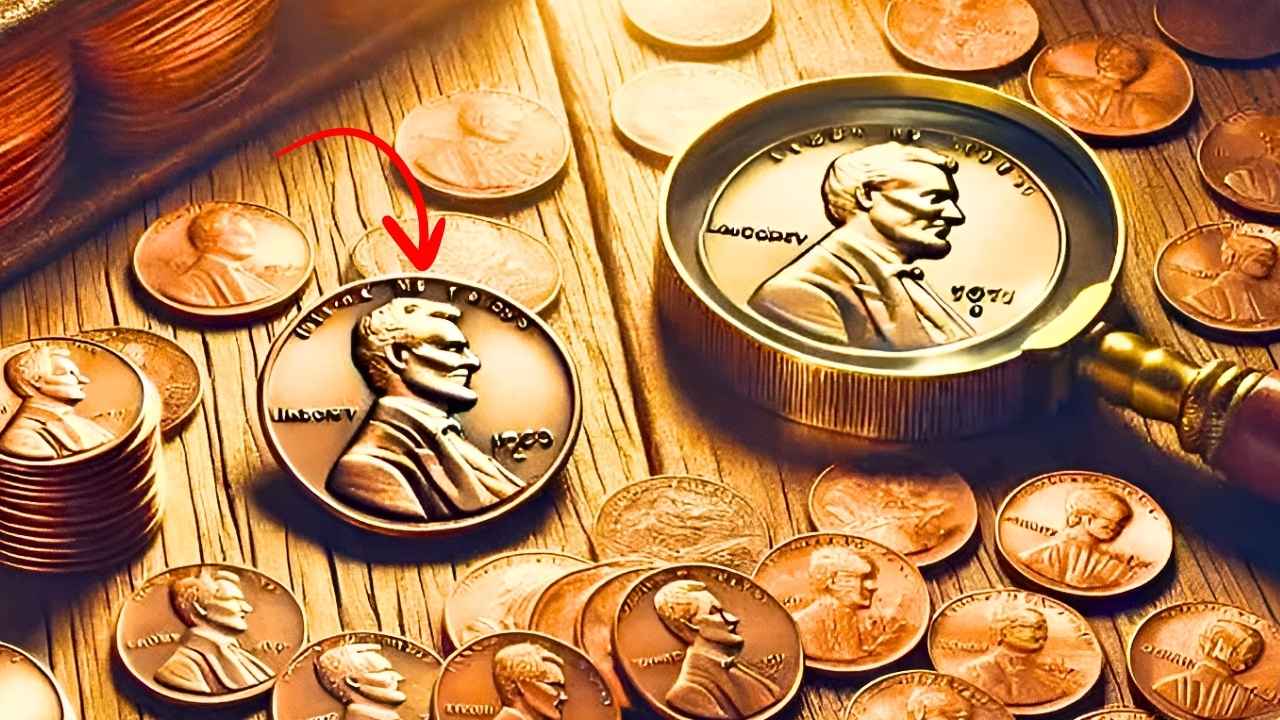
Top 100 Most Valuable Wheat : The Lincoln Wheat Penny is one of the most iconic coins in American numismatics. First introduced in 1909 to commemorate the centennial of Abraham Lincoln’s birth, it quickly became a favorite among collectors. Its design, featuring Lincoln’s portrait on the obverse and two wheat stalks on the reverse, remained in circulation until 1958. While millions of Wheat Pennies were minted, certain dates, mint marks, and varieties have become incredibly rare and valuable. In fact, some examples are worth thousands of dollars today, making them highly sought after by coin enthusiasts. This article explores the top 100 most valuable Wheat Pennies, highlighting why they are prized and how collectors can identify them.
The Origins of the Wheat Penny
Victor David Brenner designed the Wheat Penny, marking the first time a U.S. coin featured a real person’s portrait. The coin was struck in bronze, composed of 95 percent copper and 5 percent tin and zinc. Over the years, the Mint produced Wheat Pennies at facilities in Philadelphia, Denver, and San Francisco, with mint marks indicating their origin.

The series includes many common issues, but certain coins stand out due to low mintages, errors, or unique historical circumstances. These coins form the backbone of the top 100 list, representing the highlights of the Wheat Penny series.
Key Dates and Rare Varieties
Among the most valuable Wheat Pennies are several key dates and varieties that collectors prize.

1909-S VDB
The first year of issue included coins with the designer’s initials, VDB, prominently displayed on the reverse. The San Francisco Mint produced only 484,000 of these coins, making them one of the most famous rarities in the series.
1914-D
The Denver Mint produced fewer than 1.2 million Wheat Pennies in 1914, making this coin one of the scarcest regular issues. High-grade examples are especially valuable.

1922 No D
In 1922, all Wheat Pennies were struck at the Denver Mint, but some coins were released without the “D” mint mark due to a worn die. This variety is rare and highly collectible.
1931-S
With a mintage of just under 900,000, the 1931-S is another key date. Its scarcity makes it a must-have for serious collectors.

1955 Double Die
One of the most famous error coins in U.S. history, the 1955 Double Die features doubled lettering on the obverse. This striking error is highly prized and can be worth thousands of dollars.
The Top 100 Wheat Pennies
While the coins mentioned above are among the most famous, the top 100 list includes many other valuable issues. These coins are ranked based on rarity, demand, and condition. Some examples include:

- 1909-S without VDB, still scarce and valuable
- 1911-S, a low-mintage coin from San Francisco
- 1917 Double Die Obverse, featuring doubled details on Lincoln’s profile
- 1924-D, another scarce Denver issue
- 1936 Double Die Obverse, a popular error variety
- 1943 Copper Penny, accidentally struck in copper instead of steel during World War II
- 1944 Steel Penny, a rare error where leftover steel planchets were used
- 1949-S, a lower mintage coin from San Francisco
- 1951-S, valued in higher grades
- 1958 Double Die Obverse, one of the rarest error coins in the series
These coins, along with many others, make up the top 100 most valuable Wheat Pennies. Each has its own story, reflecting the complexities of minting and the historical context of its time.
Why Condition Matters
Condition plays a crucial role in determining a coin’s value. A rare Wheat Penny in poor condition may be worth hundreds, but the same coin in mint state can be worth thousands. Professional grading services such as PCGS and NGC evaluate coins based on strike quality, luster, and absence of wear. Collectors often invest in grading to authenticate and preserve their coins, ensuring maximum value at auctions.

Market Value and Auctions
The market for Wheat Pennies remains strong in 2026. Auction houses specializing in rare coins frequently feature Wheat Pennies, attracting international attention. Competitive bidding among collectors drives prices upward, establishing market values that reflect both scarcity and demand. Rare varieties such as the 1909-S VDB or the 1955 Double Die can sell for tens of thousands of dollars, making them attractive investments as well as historical artifacts.
Lessons for Collectors
The story of the top 100 Wheat Pennies offers valuable lessons for collectors. First, never underestimate common coins. Even pennies can hold immense value if they are rare and well-preserved. Second, knowledge is key. Understanding mint marks, varieties, and errors can help collectors identify hidden treasures. Third, consider professional grading and authentication, as these services provide credibility and protect against counterfeits.

Collectors should also stay informed by following numismatic publications, attending coin shows, and engaging with fellow enthusiasts. The more one learns, the greater the chance of discovering valuable coins that others might overlook.
Cultural and Historical Significance
Beyond their monetary value, Wheat Pennies carry cultural significance. They commemorate Abraham Lincoln, one of America’s greatest presidents, and symbolize the nation’s history during the early twentieth century. For historians, these coins are windows into the economic and political realities of their time. For collectors, they are tangible pieces of heritage that connect them to a broader narrative of American identity.

The coins also highlight the importance of preserving history. By valuing and studying such artifacts, collectors contribute to a deeper understanding of the past. Each coin tells a story, and the Wheat Penny tells one worth remembering.
Conclusion
The revelation of the top 100 most valuable Wheat Pennies has stunned the numismatic world. Their rarity, condition, and historical significance make them true treasures, even though most collectors overlook them. This story reminds us that value is not always measured by size or appearance. Sometimes, the smallest objects carry the greatest worth.

For collectors, the lesson is clear: pay attention to every coin, no matter how ordinary it may seem. Hidden among them may be a piece of history that not only enriches a collection but also connects us to the past in profound ways. The Wheat Penny is more than just currency; it is a symbol of heritage, rarity, and the enduring fascination of numismatics.