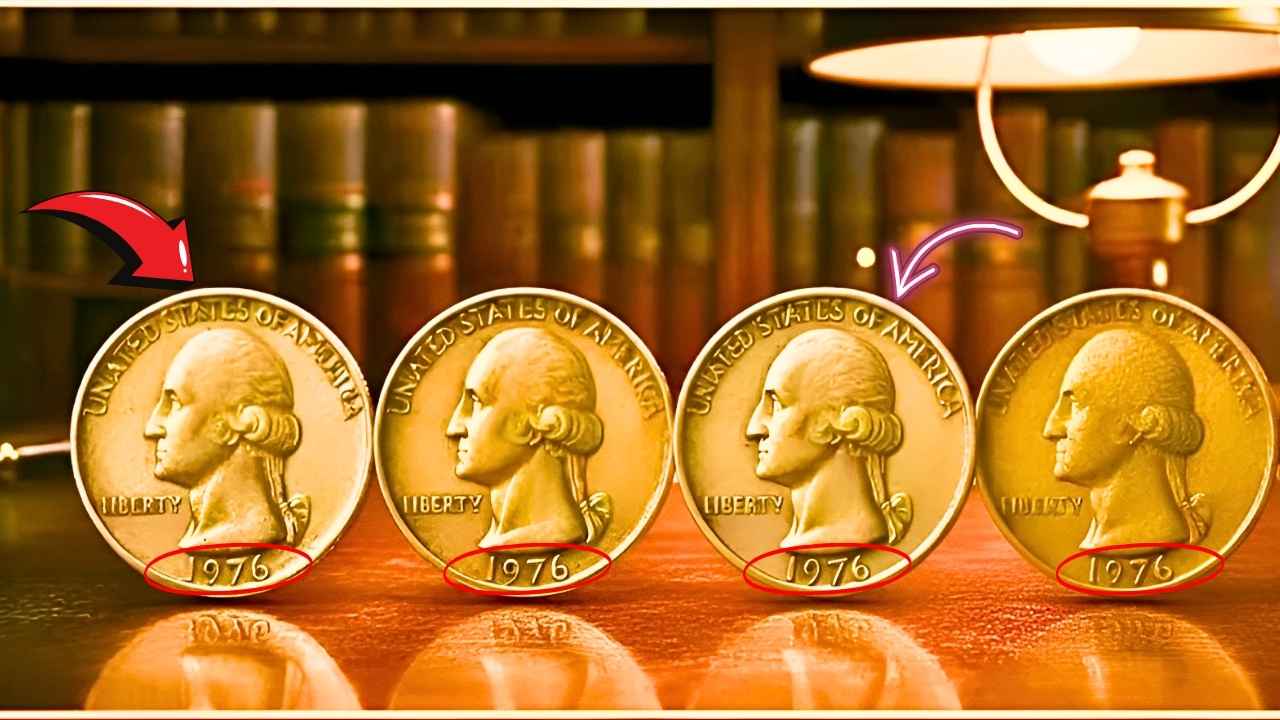
Retire Early If You Own : Coin collecting has always been a fascinating hobby, but in recent years it has also become a surprising source of wealth. Some rare quarters circulating in the United States are worth far more than their face value, with certain examples fetching thousands of dollars at auctions. For collectors and even casual holders of old coins, owning one of these rare quarters could mean financial freedom. This article explores the history, rarity, and value of these coins, and why they are considered treasures that could help you retire early.
The Appeal of Rare Quarters
Quarters are among the most commonly used coins in America, making them an ideal candidate for collectors to search through. While most quarters are worth only twenty-five cents, rare varieties stand out due to minting errors, limited production runs, or historical significance. These factors combine to create scarcity, which in turn drives value. For collectors, the thrill lies in discovering a coin that looks ordinary but is actually a hidden gem worth thousands.

Historical Background
The United States Mint has produced quarters since 1796, and over the centuries, several designs have been introduced. From the Draped Bust to the Standing Liberty and the Washington quarter, each design reflects a piece of American history. Within these series, certain years and mint marks are rarer than others. For example, coins produced in limited quantities or with unique errors have become highly sought after. Understanding the historical context helps collectors appreciate why some quarters are worth far more than their face value.
Famous Rare Quarters
Several quarters have achieved legendary status among collectors. The 1932-D and 1932-S Washington quarters are prime examples, as they were produced in very limited numbers during the first year of the Washington design. Another famous rarity is the 1970-S proof quarter, which has been known to sell for thousands due to its unique characteristics. Error coins, such as double strikes or off-center mintings, also command high prices. These coins are rare because they represent mistakes that slipped through the minting process, making them unique and valuable.

Modern Rarities
Even modern quarters can be worth a fortune. The 2004 Wisconsin quarter with an extra leaf on the corn husk is a well-known example, with some versions selling for hundreds or even thousands of dollars. Similarly, state quarters with minting errors or unusual features have become highly collectible. This demonstrates that valuable coins are not limited to older issues; even coins from the past two decades can hold significant value if they possess rare characteristics.
Factors That Determine Value
The value of a rare quarter depends on several factors. Condition is one of the most important, with coins in mint state or uncirculated condition commanding higher prices. Rarity is another key factor, as coins produced in limited numbers or with unique errors are more valuable. Demand also plays a role, as coins that are popular among collectors tend to fetch higher prices. Finally, provenance can influence value, with coins that have a documented history or come from notable collections often selling for more.

How to Identify Rare Quarters
Identifying rare quarters requires careful examination. Collectors often use magnification to spot errors or unique features. Mint marks, located on the coin, can indicate where it was produced and whether it is rare. Dates are also crucial, as certain years are known for limited production. Consulting coin guides or professional grading services can help determine whether a quarter is valuable. For casual holders, simply checking old coins in circulation or inherited collections could reveal hidden treasures.
The Market for Rare Quarters
The market for rare quarters is thriving, with auctions, coin shows, and online platforms providing opportunities for buying and selling. Prices can vary widely depending on condition and rarity, but some coins consistently fetch high amounts. Collectors are willing to pay significant sums for coins that complete their collections or represent unique finds. This strong demand ensures that rare quarters remain valuable assets, making them an attractive option for those seeking financial gain.

Investment Potential
Rare quarters are not just collectibles; they are also investments. Over time, the value of rare coins tends to appreciate, especially as they become scarcer. For investors, owning rare quarters can provide diversification and a tangible asset that holds value. While the market can fluctuate, the long-term trend has been positive, with many coins increasing in worth. This makes rare quarters a potential pathway to financial security and even early retirement.
Cultural Significance
Beyond their monetary value, rare quarters carry cultural significance. They represent moments in American history, from the founding of the nation to modern commemorations. Collectors often appreciate these coins not only for their rarity but also for their symbolic meaning. Owning a rare quarter is like holding a piece of history, connecting the present to the past in a tangible way.

Key Highlights
- Rare quarters can be worth thousands of dollars, far beyond their face value
- Historical examples include the 1932-D and 1932-S Washington quarters
- Modern rarities like the 2004 Wisconsin quarter with an extra leaf are highly valuable
- Value depends on condition, rarity, demand, and provenance
- Identifying rare quarters requires careful examination of mint marks, dates, and errors
- The market for rare quarters is strong, with auctions and collectors driving demand
- Rare quarters offer investment potential and cultural significance
Final Words
Owning one of these rare quarters could truly change your financial future. What may seem like an ordinary coin in your pocket could actually be worth thousands, offering the possibility of early retirement or significant financial gain. The combination of rarity, history, and demand makes these coins treasures in the world of numismatics. Whether you are a seasoned collector or someone who simply checks their spare change, the chance of discovering a valuable quarter is real. In 2026, the market for rare quarters remains strong, and those fortunate enough to own one may find themselves holding not just a coin, but a key to financial freedom.